Paras
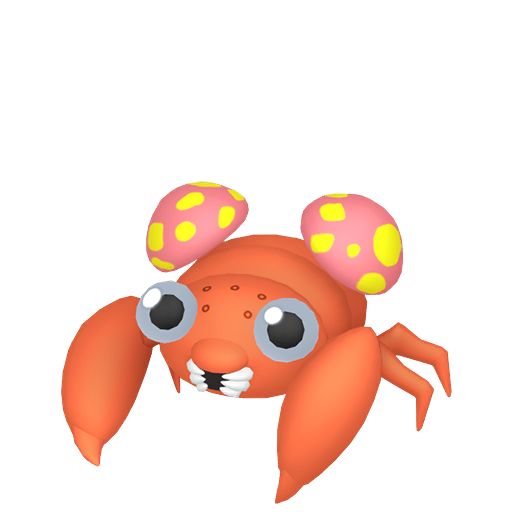
Pokédex Data
National N°
0046
Type
buggrass
Species
Mushroom Pokémon
Height
0.3 m
Weight
5.4 kg
Abilities
Effect spore
Dry skin
Damp (hidden ability)
Local N°
0046 (Kanto)
0070 (Original johto)
0070 (Updated johto)
0147 (Original alola)
0074 (Original akala)
0066 (Original ulaula)
0180 (Updated alola)
0081 (Updated akala)
0072 (Updated ulaula)
0046 (Letsgo kanto)
0053 (Hisui)
Training
EV yield
1 Attack
Catch rate
190
Base friendship
70
Base exp.
57
Growth rate
Medium
Breeding
Egg groups
Bug Plant
Gender
50% male, 50% female
Egg Cycles
20 (4884-5140 steps)
Base stats
HP
Attack
Defense
Sp. Atk
Sp. Def
Speed
Total
35
70
55
45
55
25
285
95
67
54
45
54
27
Min
142
134
117
106
117
84
Max
180
130
103
85
103
49
Max
274
262
229
207
229
163
Max
Type defenses
The effectiveness of each type on Paras

x1

x4

x0.5

x0.5

x0.25

x2

x0.5

x2

x0.25

x4

x1

x2

x2

x1

x1

x1

x1

x1
Evolution chart

Moves learned by Paras
Pokédex entries
Burrows to suck tree roots. The mushrooms on its back grow by draw ing nutrients from the bug host.
It is doused with mushroom spores when it is born. As its body grows, mushrooms sprout from its back.
PARAS has parasitic mushrooms growing on its back called tochukaso. They grow large by drawing nutrients from the BUG POKéMON host. They are highly valued as a medicine for extending life.
Mushrooms named tochukaso grow on its back. They grow along with the host PARAS.
Mushrooms named tochukaso grow on its back. They grow along with the host Paras.
Growing out of the bug’s back are mushrooms called tochukaso. The mushrooms grow with the bug host.
No matter how much it eats, the mushrooms growing on its back steal away most of the nutrients it consumes.
Sometimes seen at the foot of trees in humid forests. The mushrooms on its back—called tochukaso—are not present on infant specimens and instead emerge as Paras matures.